
What I’ve learned from getting news in two different ways — digital and traditional

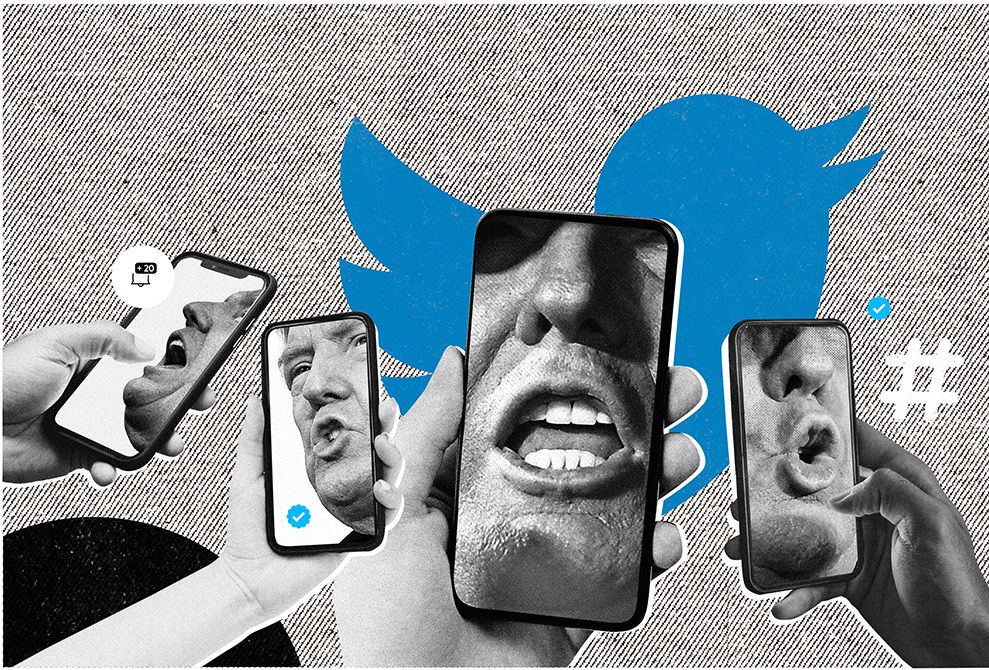

Digital news and traditional journalism are very different in how they deliver information, and I think both shape how we understand the world in important ways.
Traditional or legacy journalism, like newspapers, TV broadcasts, and radio, feels more structured and intentional. There’s usually a longer process behind it, with more editing, fact-checking, and context. Because of that, I tend to trust it more when I really want to understand a topic deeply. The downside, though, is that it’s slower. In a world where things change by the minute, traditional news doesn’t always keep up in real time.
Digital news is the complete opposite in a lot of ways. It’s fast, constantly updating, and honestly unavoidable. I usually see news first on my phone through social media or news apps before I ever turn on a TV or read a full article. The biggest advantage is accessibility; I can know what’s happening in seconds, and it’s easy to stay informed throughout the day. But the issue is that speed sometimes comes at the cost of accuracy. Headlines can be misleading, information gets shared before it’s fully verified, and misinformation spreads really quickly.

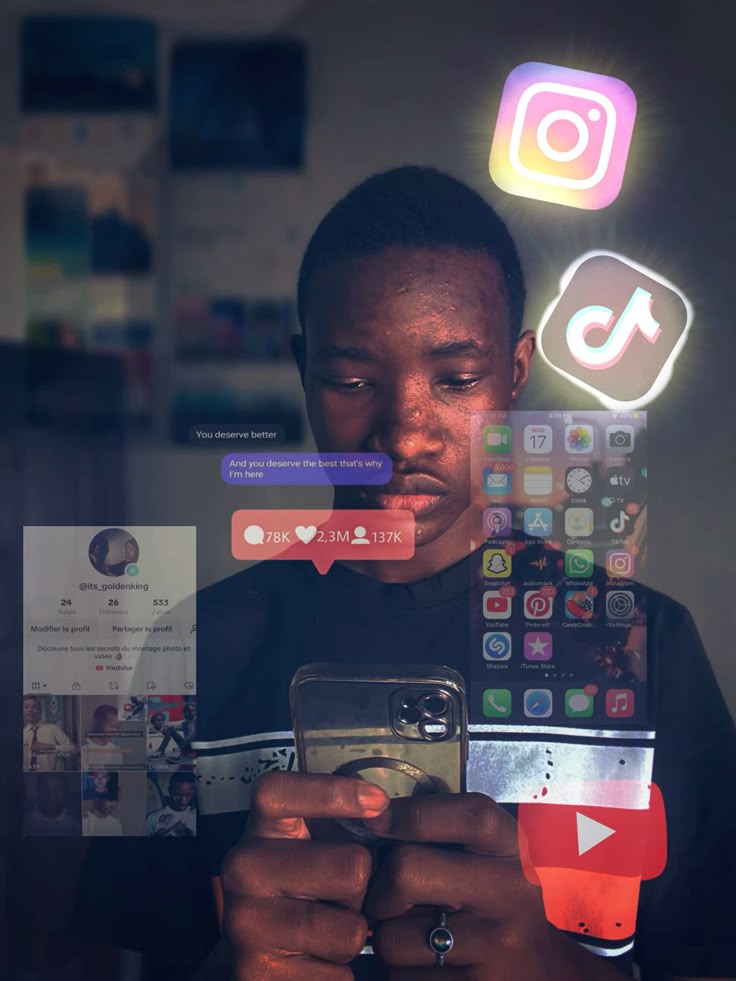
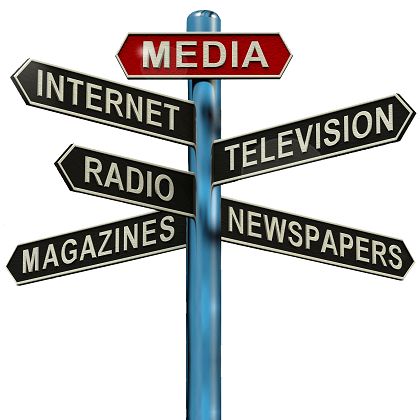
For me personally, I rely on both. Digital news gives me the initial awareness of what’s going on, but I usually turn to more traditional sources when I actually want clarity or a deeper understanding. As someone interested in journalism, this has made me a lot more aware of how important it is to slow down, check sources, and not just repost things because they’re trending.
Overall, I think both forms of journalism matter. Digital news keeps us connected in real time, while traditional journalism gives us depth and reliability. The challenge is learning how to use both without getting overwhelmed or misinformed.
At the end of the day, I think being mindful about where information comes from is just as important as staying informed.


Leave a comment