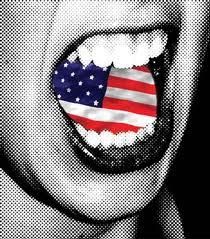
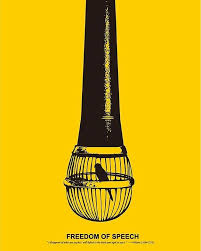
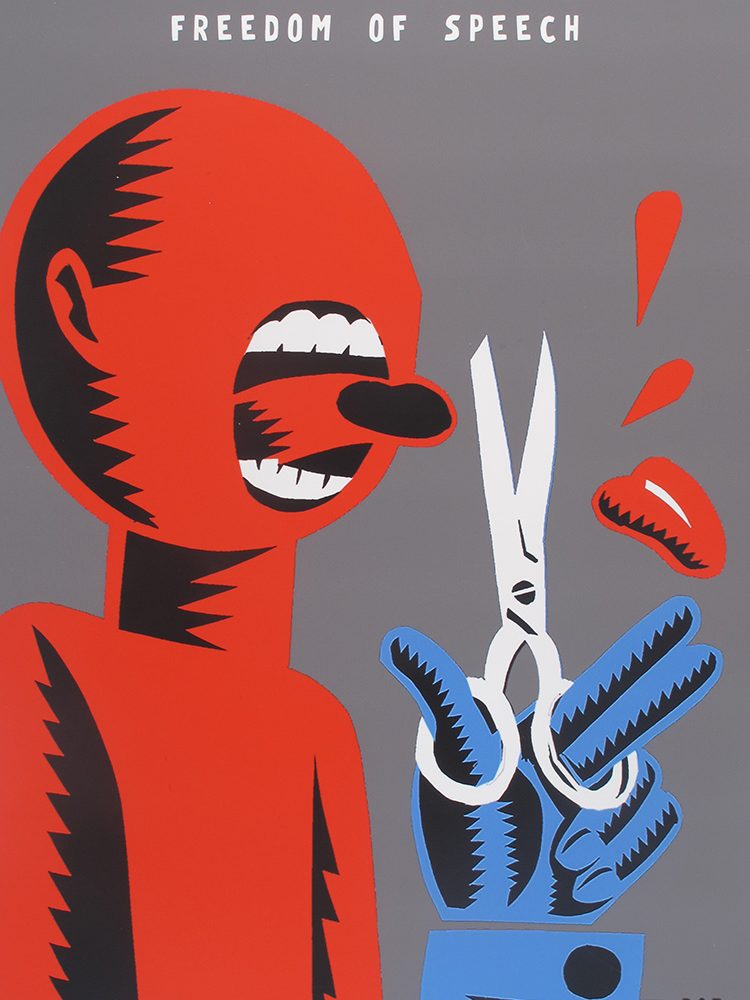
Scrolling through social media these days, it’s impossible not to notice how much hate speech pops up, whether it’s someone calling out an influencer for scammig her out of $400, a new viral Leonardo DiCaprio meme, or comments on spring break vacation spots. It makes me wonder: should this kind of speech really be protected under the First Amendment, or does it cross a line?
On one hand, I see why people argue that hate speech should be allowed. The First Amendment exists to protect all speech, even the stuff that makes us uncomfortable. If the government, or even social media platforms, start deciding what’s “acceptable,” it feels like a slippery slope toward censorship. Some people also say the best way to deal with harmful speech online is by responding with more speech, educating, debating, and exposing bad ideas for what they are, instead of just banning them. I get that, especially when you think about how easy it is for someone to just block or ignore a post if they don’t want to engage.
But on the other hand, it’s hard to ignore how damaging hate speech can be. On Instagram, TikTok, or Twitter, it spreads fast and often targets specific groups. I’ve seen friends, classmates, and creators get harassed or bullied just for speaking their truth, and that really makes me question whether “free speech” should include that level of harm. People who support limits say that some speech can cross the line into real-world consequences, and that protecting people online is just as important as protecting speech itself.
Seeing both sides, I think the key is balance. We need to protect free expression, but we also need to be responsible with how we use it, especially online. Social media isn’t just a platform; it’s a community, and the words we post can really affect the people around us.
 Soma's Inner Pages
Leave a comment