^^ Whatever that means 😒


Mark Bauerlein’s The Dumbest Generation: How the Digital Age Stupefies Young Americans and Jeopardizes Our Future reads like a warning siren aimed directly at my generation. His central argument is blunt: the digital age, instead of expanding young people’s intellectual lives, has narrowed them. According to Bauerlein, we scroll more than we study, text more than we think, and consume more entertainment than information that stretches us.
The GIFs I chose, the ones trending right now, the ones everyone on my timeline instantly recognizes, actually prove part of his point. They capture our attention in seconds. They communicate entire moods without a single paragraph. They’re fast, funny, and culturally fluent. That fluency is powerful. It shows how digitally literate we are in our own language.
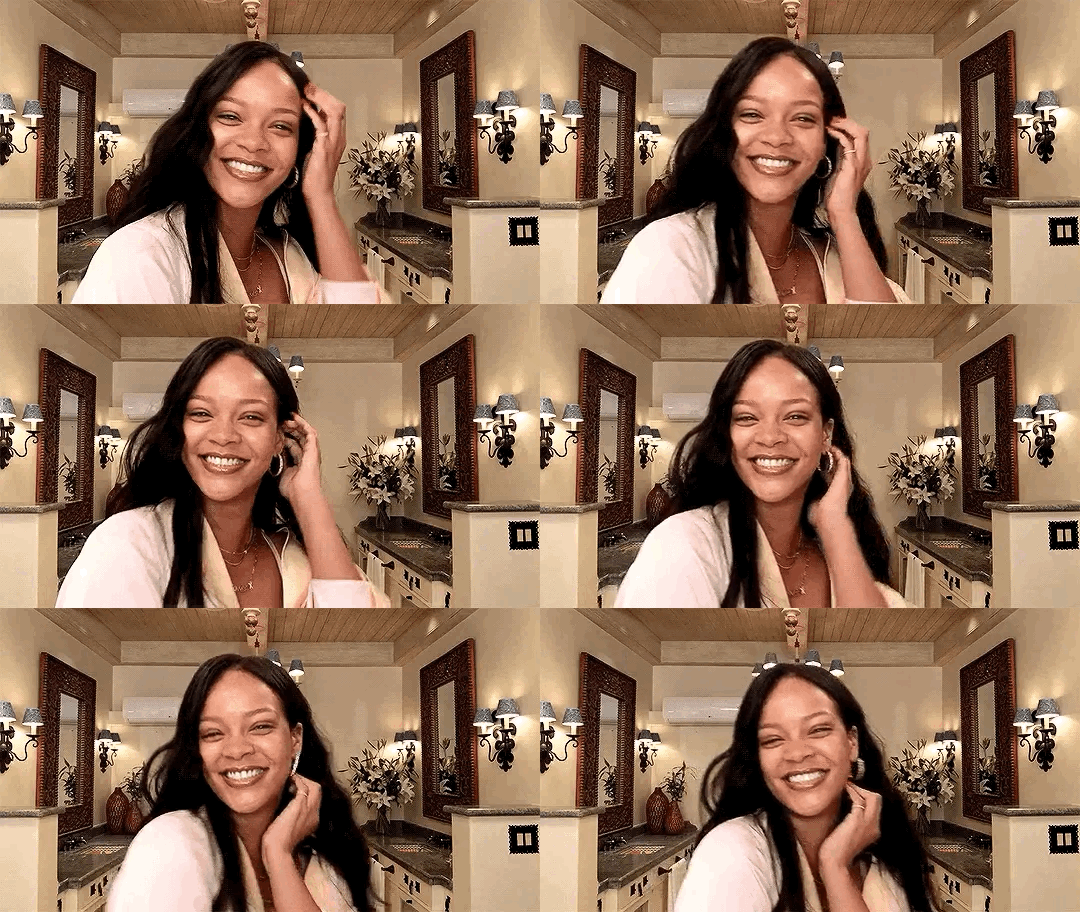
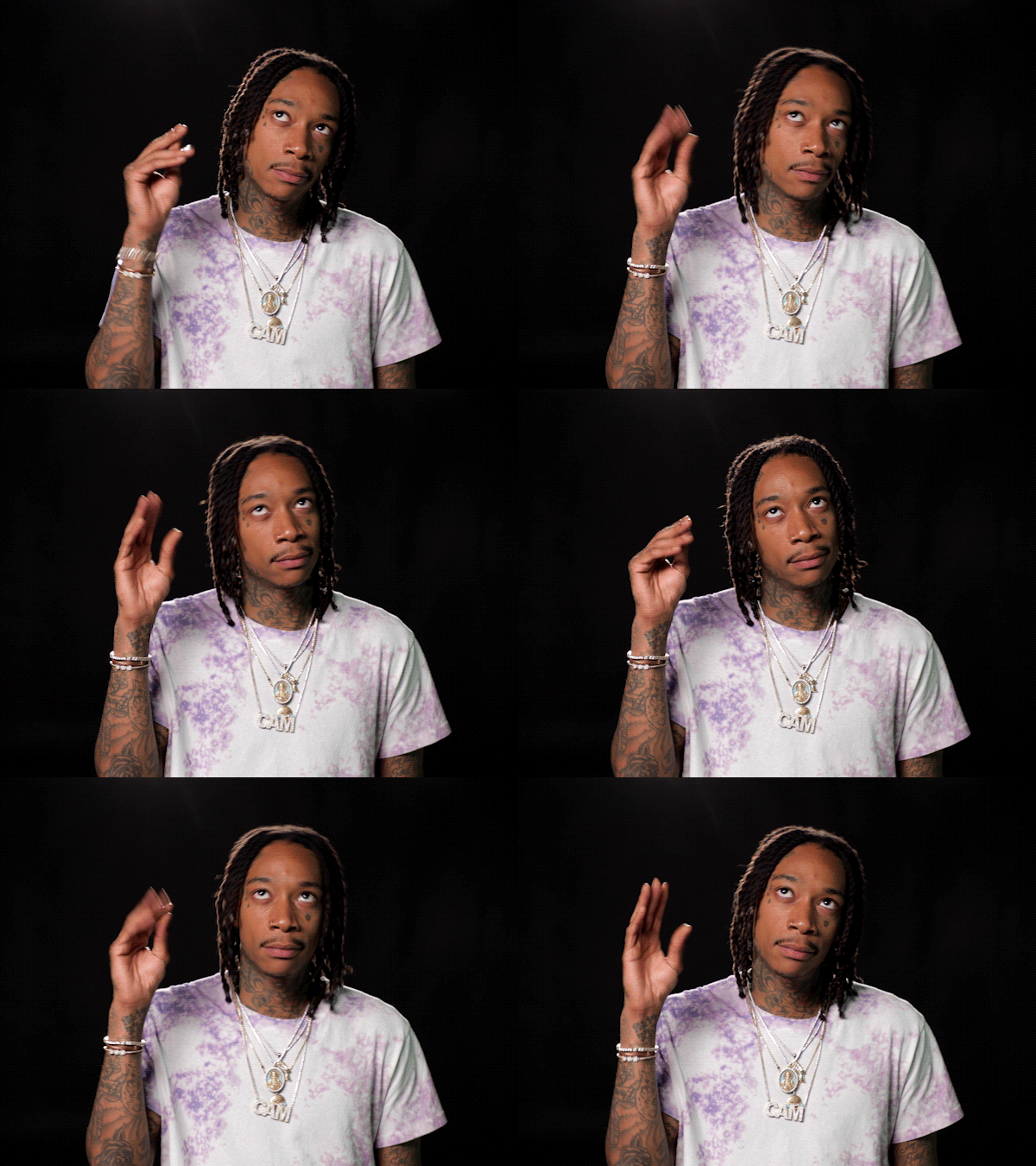
But Bauerlein would probably argue that fluency in meme culture isn’t the same as fluency in history, politics, or literature. And that’s where the tension sits. Just because we can decode irony in three seconds doesn’t mean we’re reading long-form journalism or policy analysis with the same energy. Sometimes the GIF replaces the paragraph. The reaction replaces the reflection.
Still, I don’t fully buy his “dumbest generation” framing. That feels exaggerated, almost clickbait before clickbait existed. The same digital spaces he critiques are where social movements mobilize, where young voters get information, and where conversations about race, gender, and power happen in real time. That’s not intellectual decline, that’s transformation.

If anything, Bauerlein exposes not a lack of intelligence, but a crisis of attention. We’re not incapable of depth; we’re just constantly competing with distraction. The digital age didn’t make us dumb. It made intentional focus a choice and maybe that’s the real challenge of our generation.
 Soma's Inner Pages
Leave a comment