Selfies are often dismissed as shallow, a digital mirror for vanity. A quick snap. A thirst trap. A performance for likes. But to me, I see it more as a way of self-definition.
The real question isn’t ‘Are selfies narcissistic?’
It’s Who gets to decide what self-expression looks like?
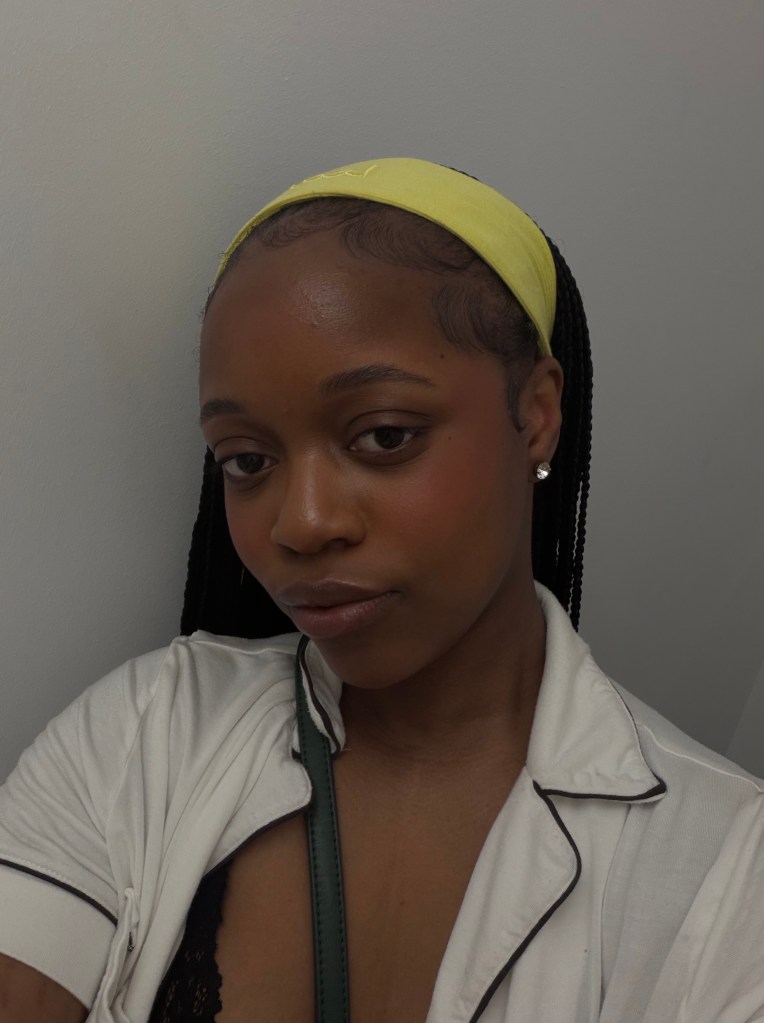
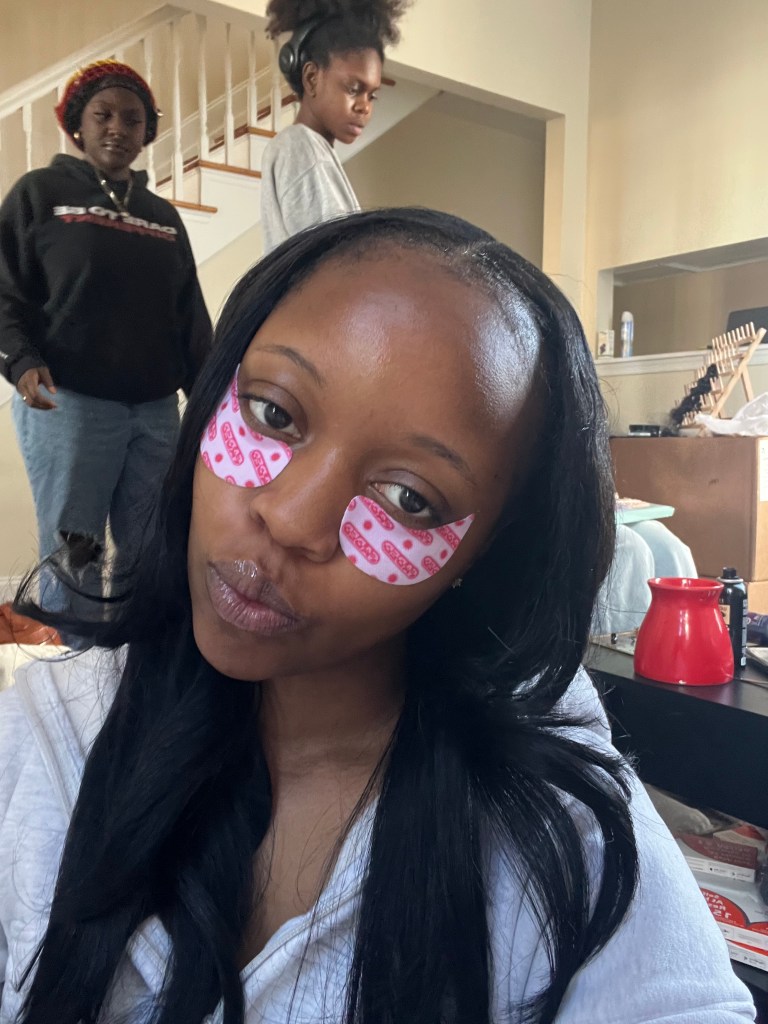
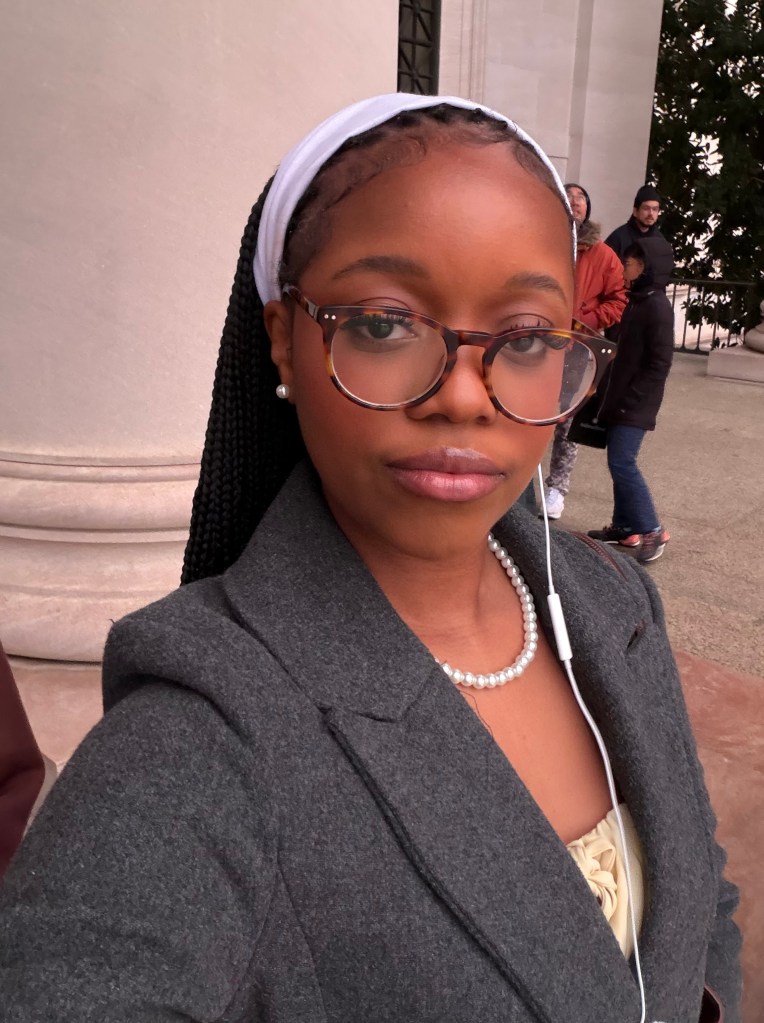
As a 21-year-old college student, I have grown up with the front-facing camera. Taking a selfie does not feel revolutionary to me; it feels normal. But that normalcy is exactly what makes it powerful.
In a world that constantly tells women — especially young Black women — how we should look, speak, and present ourselves, choosing how I show up online feels like control. I decide the angle. I decide the lighting. And yes, sometimes I wait for the right sunlight because good lighting is practically a personality trait at this point.
Instead of waiting for trends or other people to define what beauty should look like, I get to define it for myself. When I post a selfie, I am not asking for permission. I am choosing visibility.
Growing up on platforms specifically Instagram, I have seen how everyday people challenge narrow beauty standards simply by showing up as themselves. A selfie can celebrate confidence, or just acknowledge that on this particular Tuesday, my hair and the sunlight decided to cooperate.
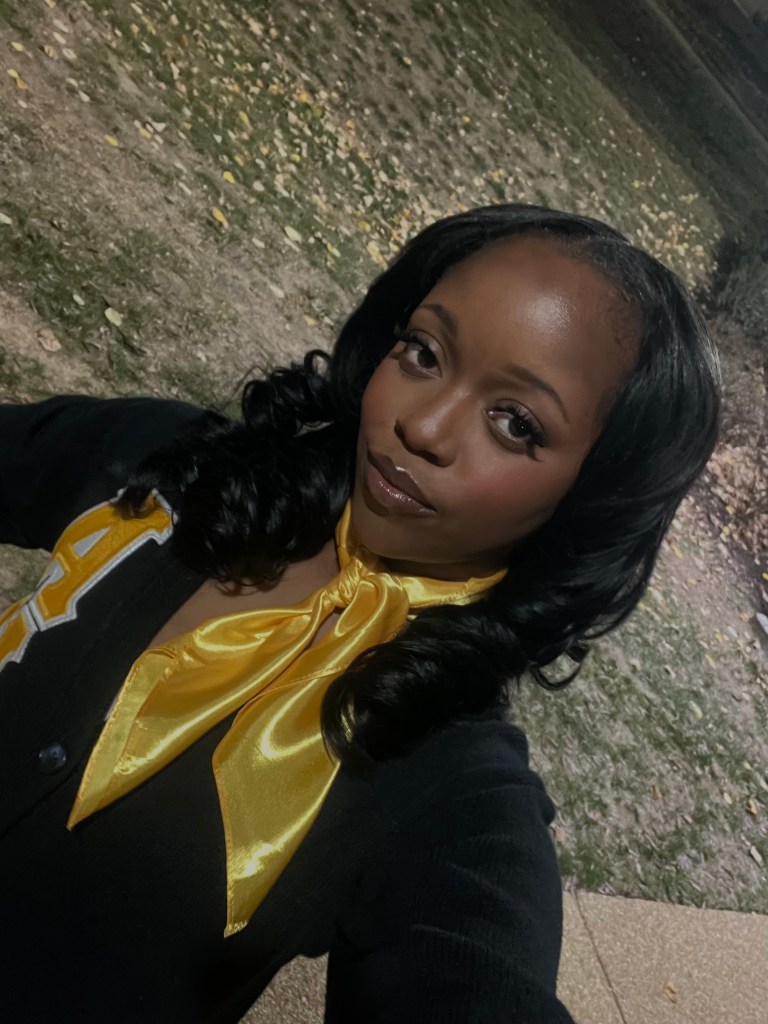


But to answer the ultimate question, I believe selfies are a form of empowerment rather than narcissism. While they exist within a culture that can encourage validation-seeking, the act itself is not inherently self-obsessed. For me, taking a selfie is about choice, choosing how I present myself, when I present myself, and what version of myself I want to document. At dunting age of 21, that choice feels meaningful. Capturing and sharing my own image feels less like vanity and more like ownership, and yes, good lighting doesn’t hurt.
 Soma's Inner Pages
Leave a comment